
Best Overall9.6/10
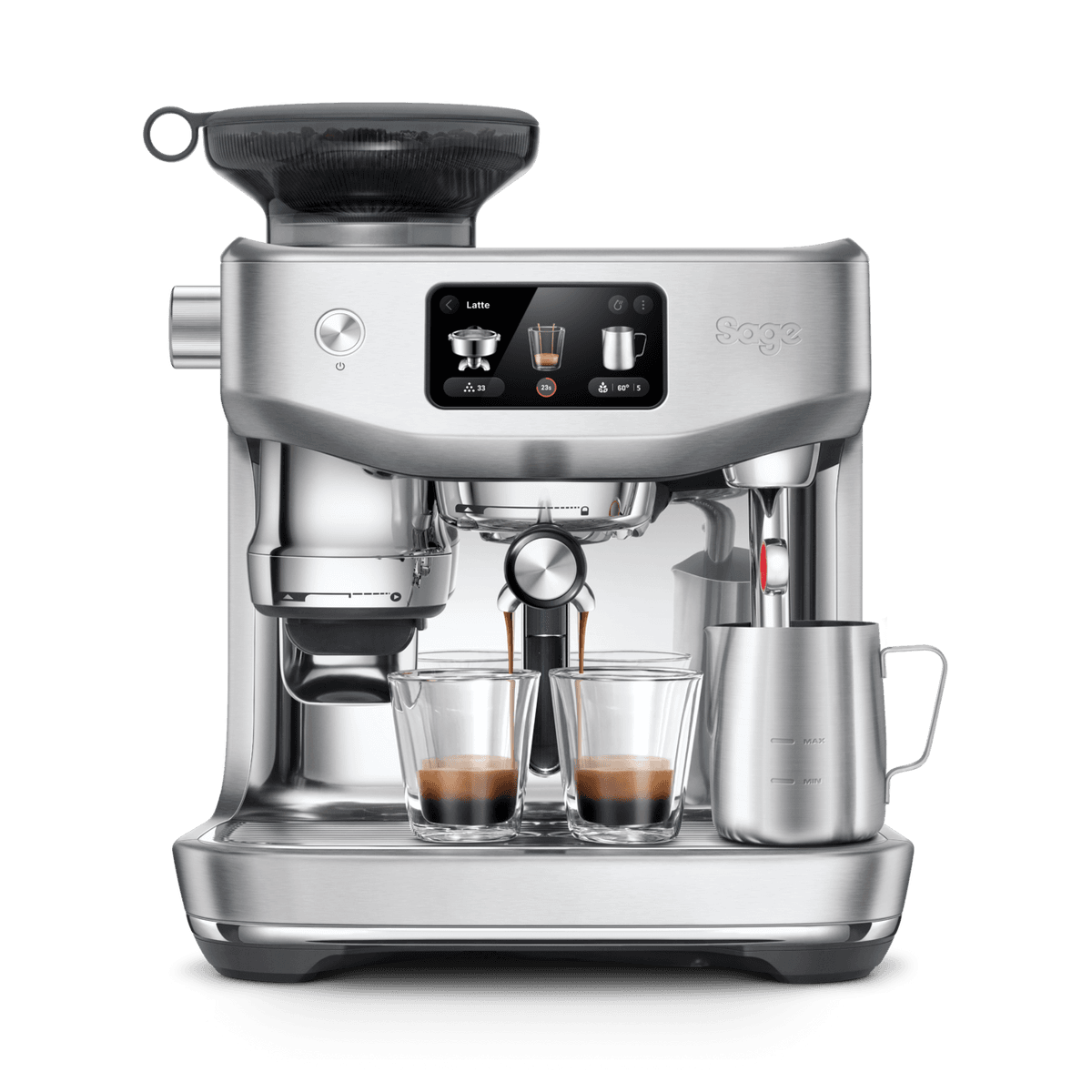
Sage Oracle Jet
Best forBuyers wanting near-commercial-style espresso architecture with extraordinary levels of assistance.
Buying a coffee machine should be simple.
But with hundreds of machines available — from £50 pod machines to £1,500+ bean-to-cup and espresso machines — working out which one is actually worth buying isn't always easy.
That's where Coffee Machine Reviews comes in.
We research and compare the latest coffee machines available in the UK, looking beyond marketing claims to help you understand what you're getting for your money.
Whether you want a one-touch bean-to-cup machine, a proper home espresso setup, an easy pod machine or simply better coffee in the morning, we'll help you narrow down the options.
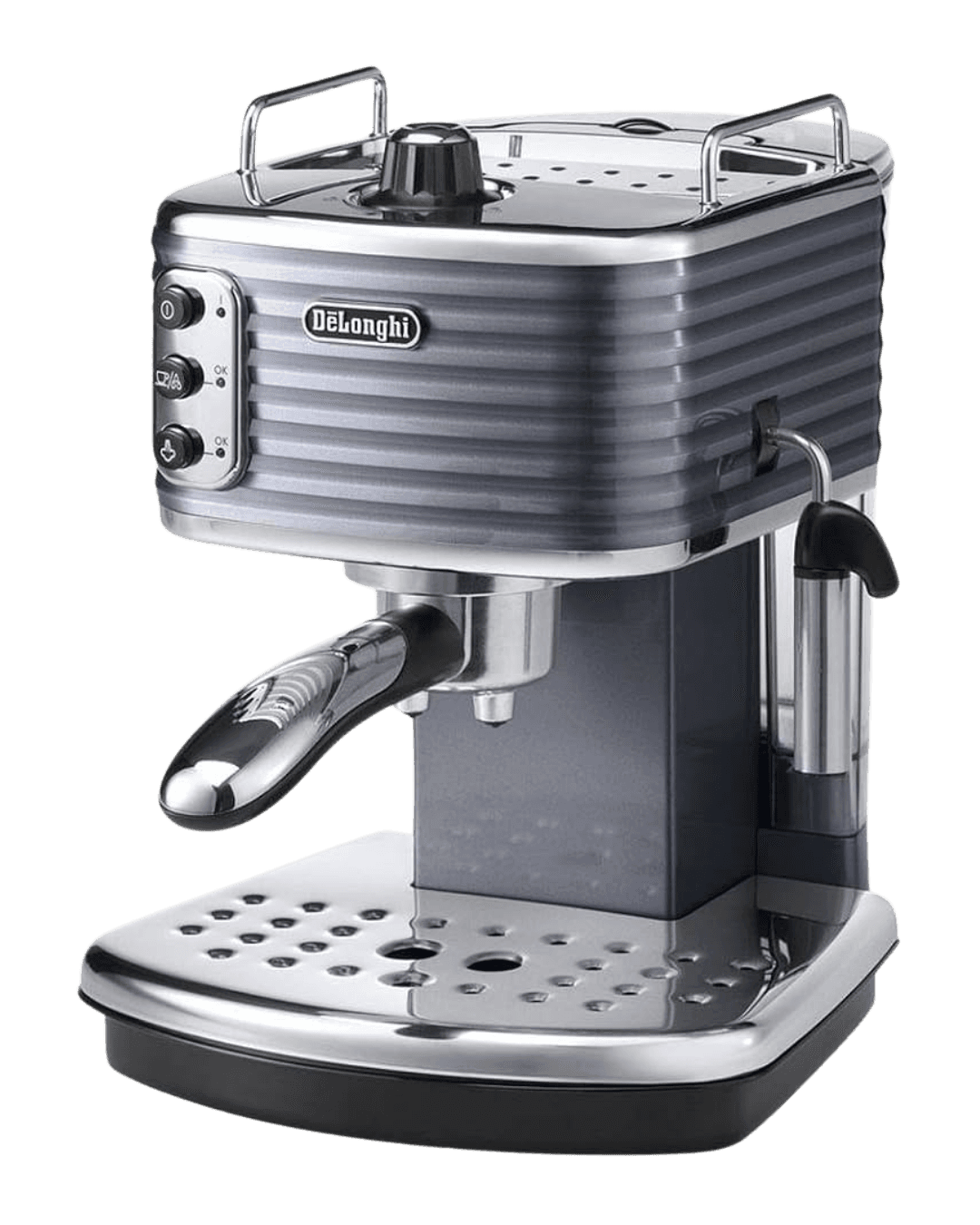
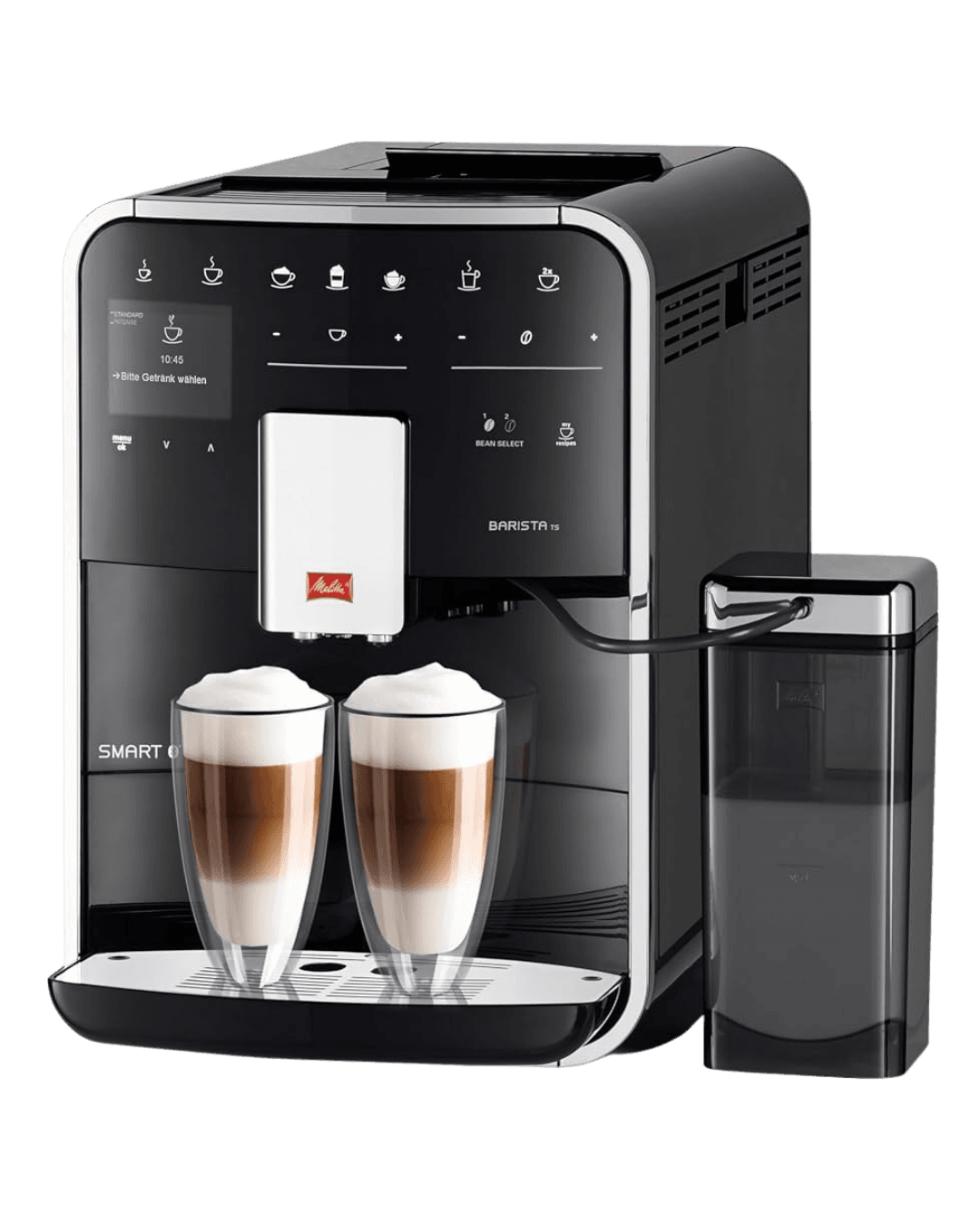
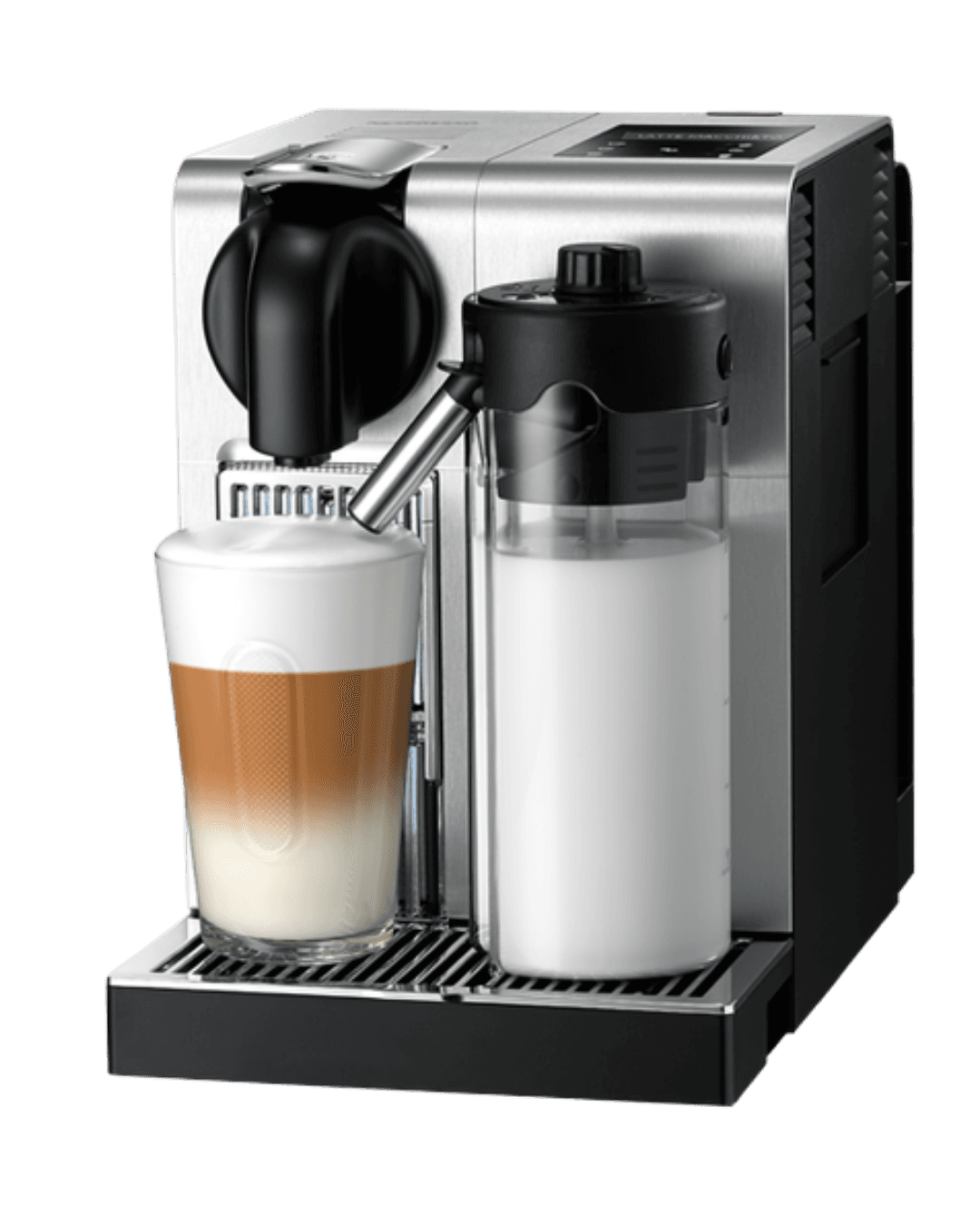
Not sure where to start?
Our Best Coffee Machines UK guide compares our standout machines across every major category, budget and type.
Selected by editorial score within each category. Budget picks use recorded review prices.
Best forBuyers wanting near-commercial-style espresso architecture with extraordinary levels of assistance.
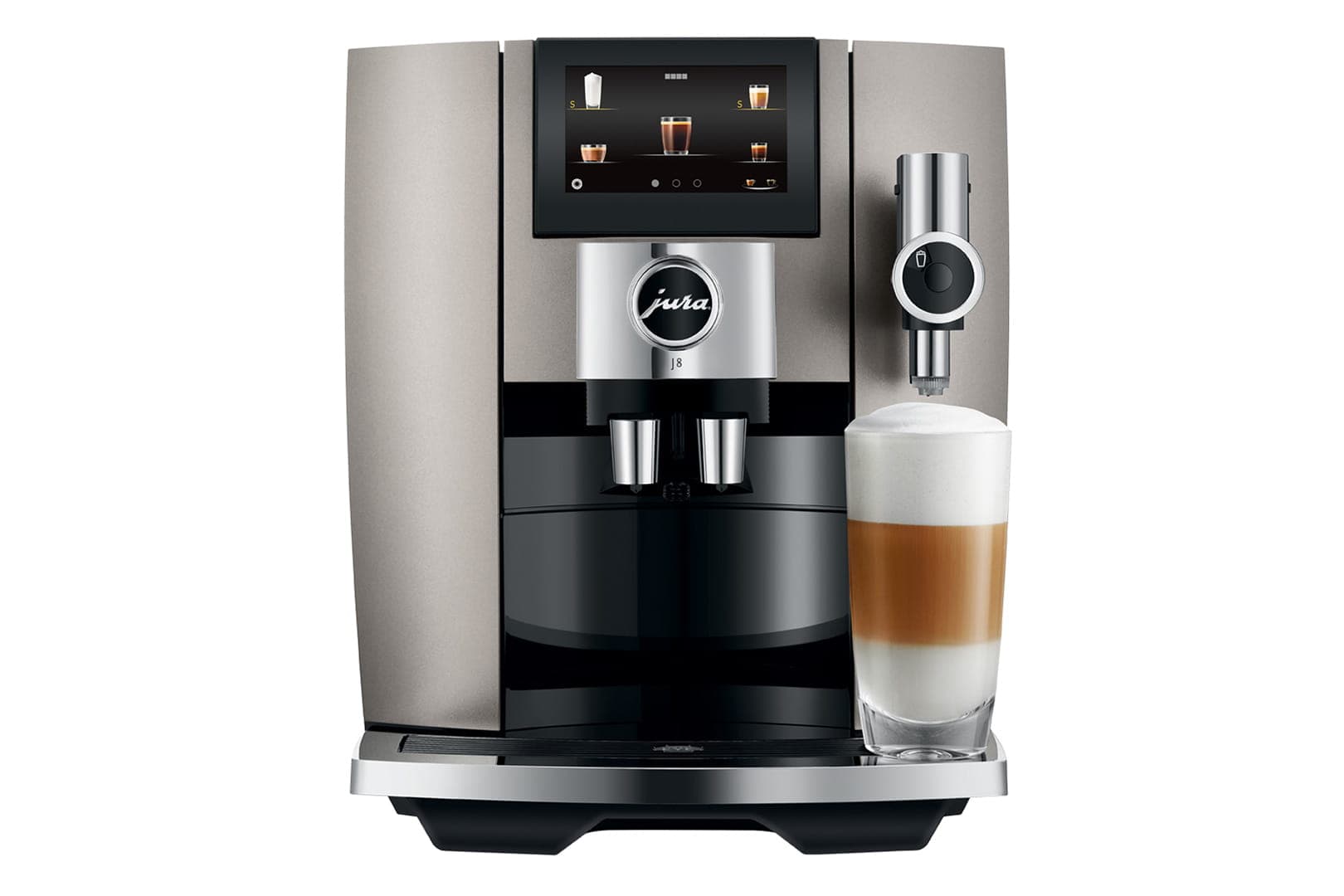
Best forBuyers wanting a luxury one-touch machine with sophisticated milk and drink personalisation.
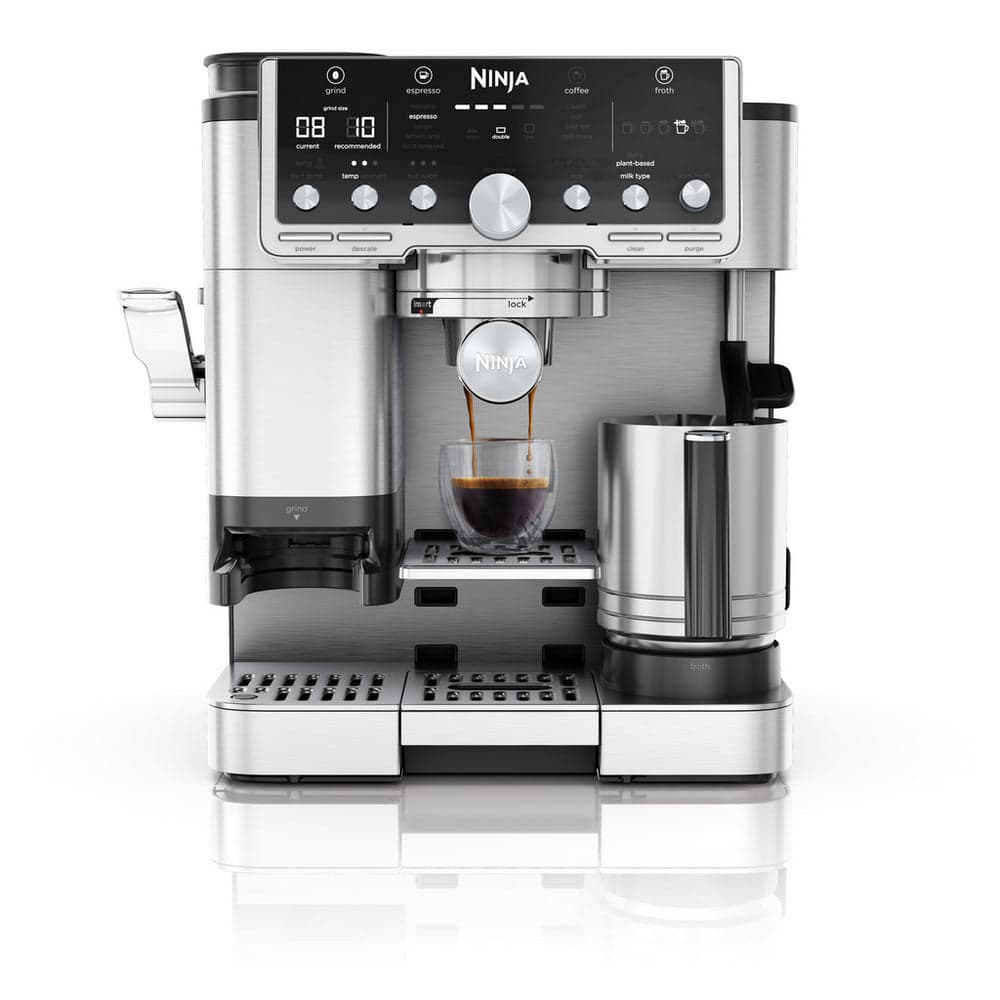
Best forBuyers wanting Ninja's assisted coffee system with its most sophisticated milk functionality.
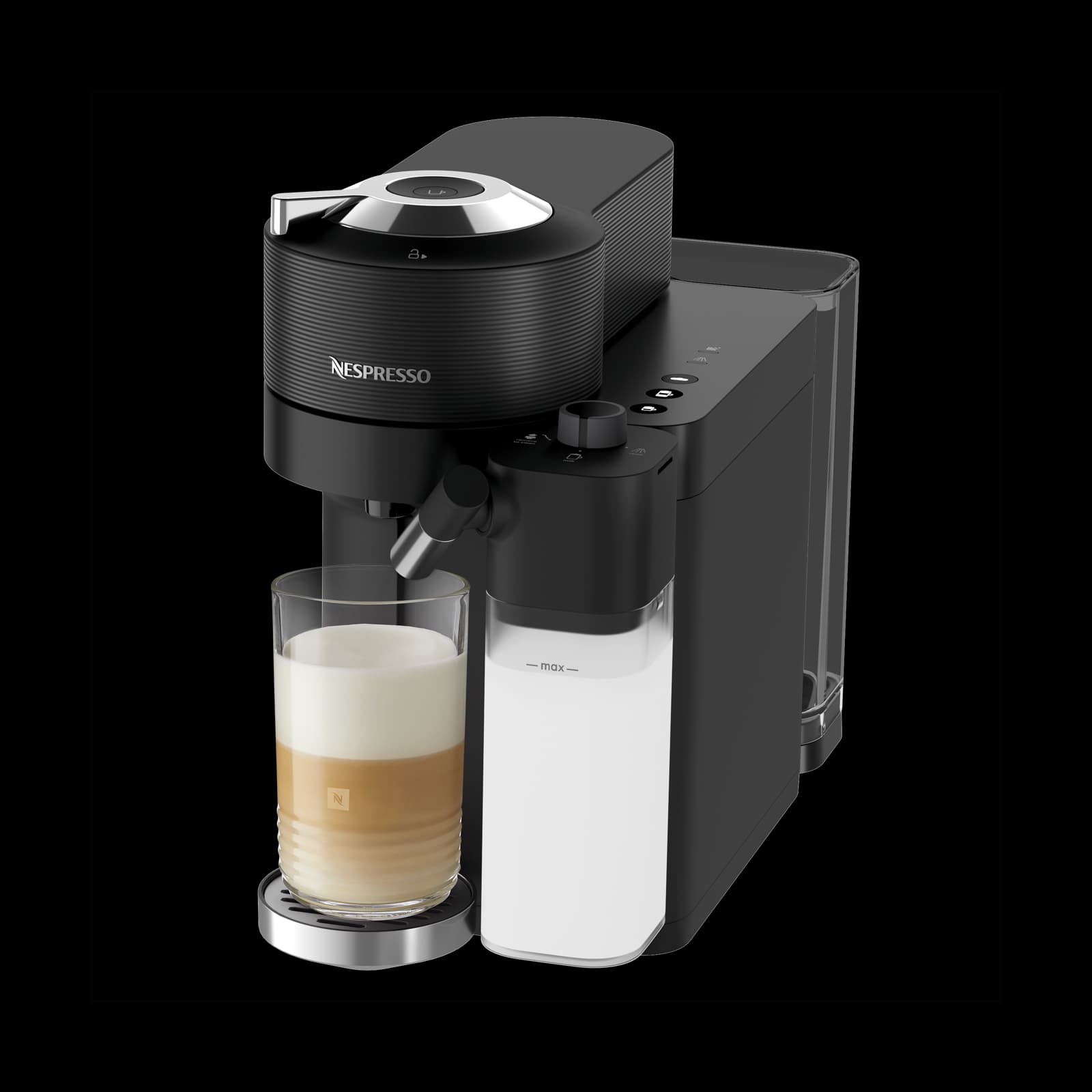
Best forVertuo drinkers wanting automatic cappuccino and latte without a separate frother.
Best forOne touch milk drinks with 19 bar pump pressure
Prices can change. Check retailers for the latest price.
View all reviewsThe first decision isn't which brand to buy.
It's which type of coffee machine suits the way you actually make coffee.
Want freshly ground coffee without learning how to become a barista?
A bean-to-cup machine grinds fresh coffee beans and prepares your drink automatically. Many modern machines can also prepare cappuccinos, lattes and flat whites using an integrated milk system.
They're particularly good for households that want fresh beans combined with convenience.
Best for: Fresh coffee with minimal effort.
Typical budget: Around £250–£1,500+
Popular brands: De'Longhi, Jura, Siemens, Philips and Melitta.
Prefer having more control?
Traditional and assisted espresso machines let you control more of the coffee-making process, from grinding and dosing to extraction and milk texturing.
Machines from brands such as Sage, De'Longhi and Gaggia range from compact entry-level models to sophisticated machines that automate much of the difficult work while still giving you control.
Best for: Espresso lovers and anyone who enjoys making café-style coffee.
Typical budget: Around £150–£2,000+
If convenience matters more than experimenting with grind size and extraction, pod machines remain difficult to beat.
Insert a capsule, press a button and your coffee is ready.
Nespresso, Dolce Gusto and Tassimo are among the best-known systems, but differences in capsule availability, drink choice and running costs mean it's worth comparing the systems before buying.
Best for: Fast coffee with virtually no preparation.
Typical budget: Around £50–£500+
Making coffee for several people?
A filter machine can produce a full pot at once and is particularly well suited to longer black coffees.
Modern machines range from straightforward brewers to premium models with timers, temperature control and built-in grinders.
Best for: Longer coffee and brewing several cups at once.
Typical budget: Around £40–£300+
You don't need to spend £1,000 to make better coffee at home.
The important thing is spending your budget on the features you'll actually use.
Expect pod machines, basic filter machines and occasional entry-level espresso options.
A much broader selection, including capable espresso machines and entry-level automatic options when discounted.
This is where some strong entry-level bean-to-cup machines begin appearing alongside increasingly capable espresso setups.
A competitive part of the market offering excellent bean-to-cup and assisted espresso machines.
Premium automatic milk systems, better interfaces, greater control and more sophisticated espresso machines become available.
What you drink matters just as much as your budget.
Look for good milk texturing and easy control over the balance between espresso and milk.
A capable steam wand or automatic milk system becomes particularly important.
Espresso quality and the ability to create fine-textured milk matter more than simply producing lots of foam.
Prioritise temperature stability, extraction control and — if included — grinder quality.
We regularly research new and popular coffee machines available to UK buyers.
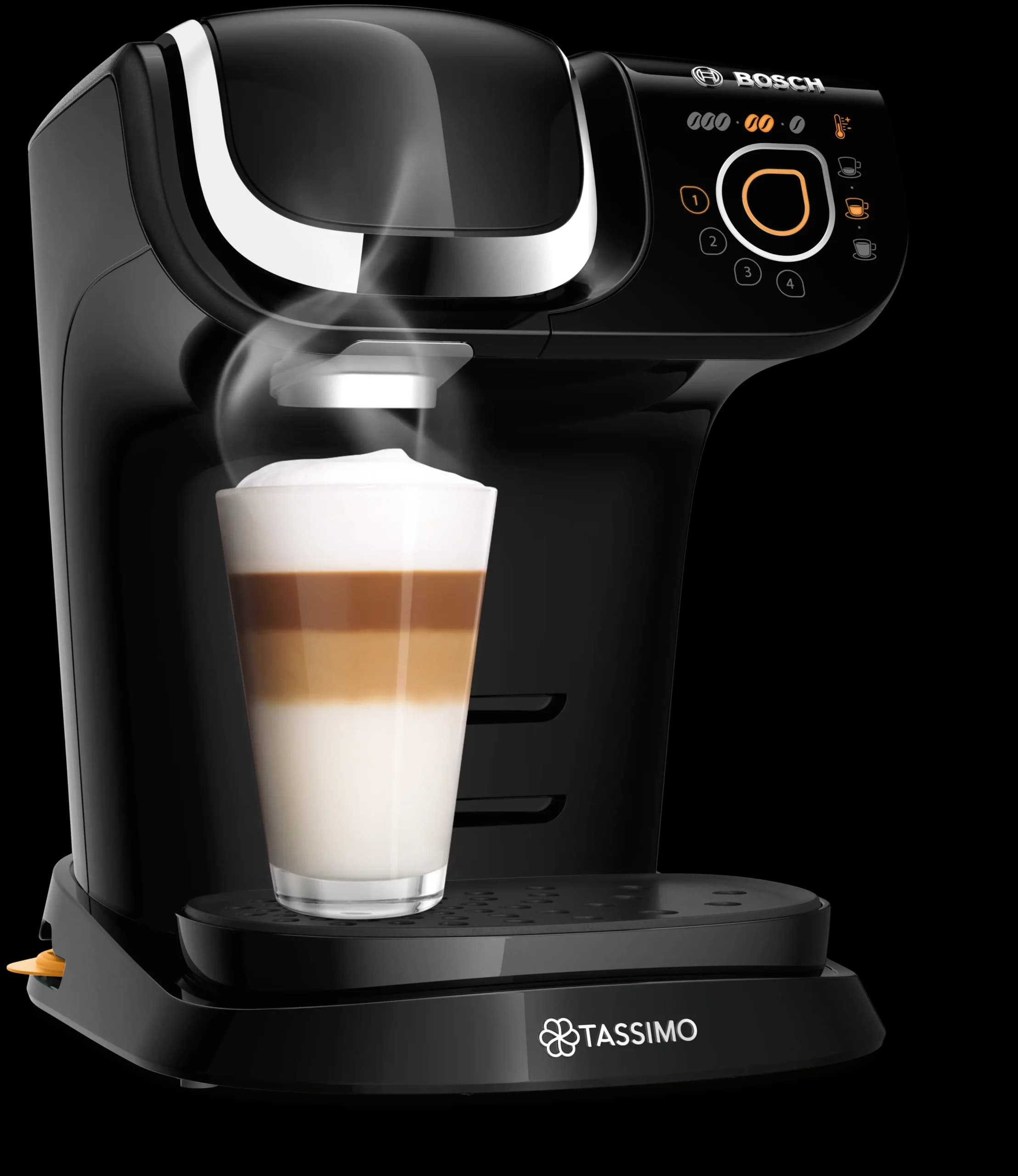
Best forTassimo households wanting more control over strength, temperature and drink size.
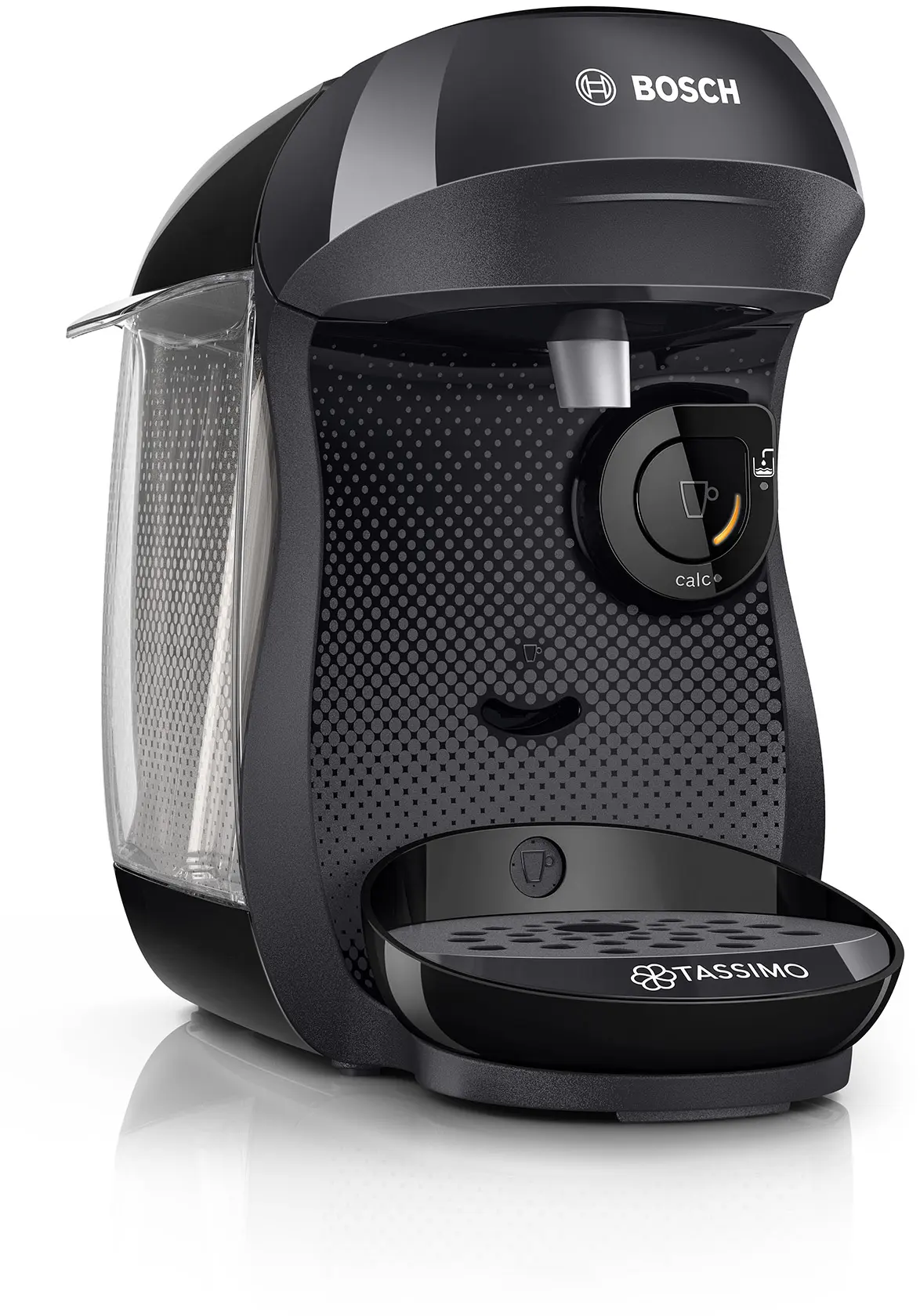
Best forBuyers wanting the cheapest, simplest route into Tassimo drinks.
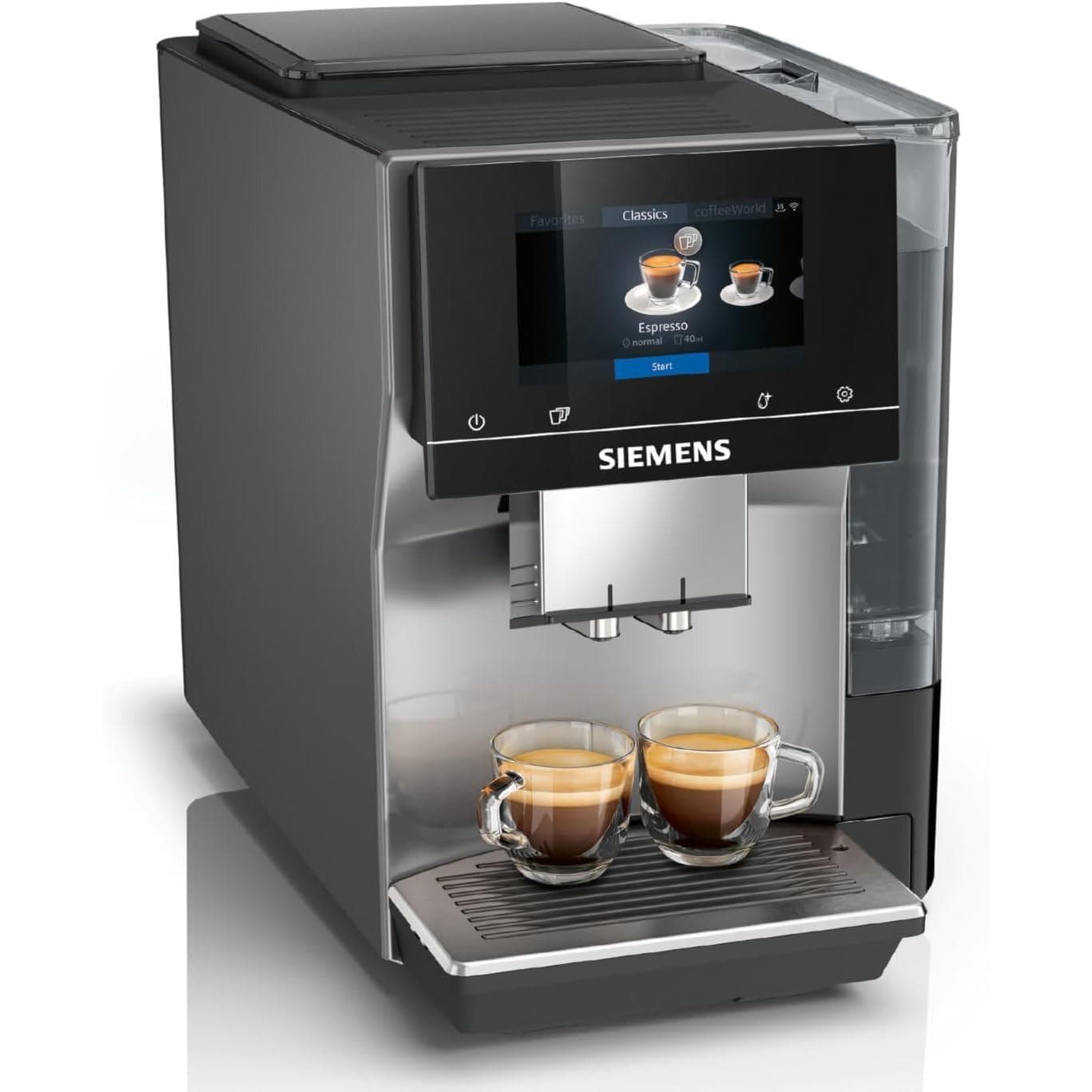
Best forHouseholds wanting a sophisticated touchscreen bean-to-cup machine with lots of drink choice.
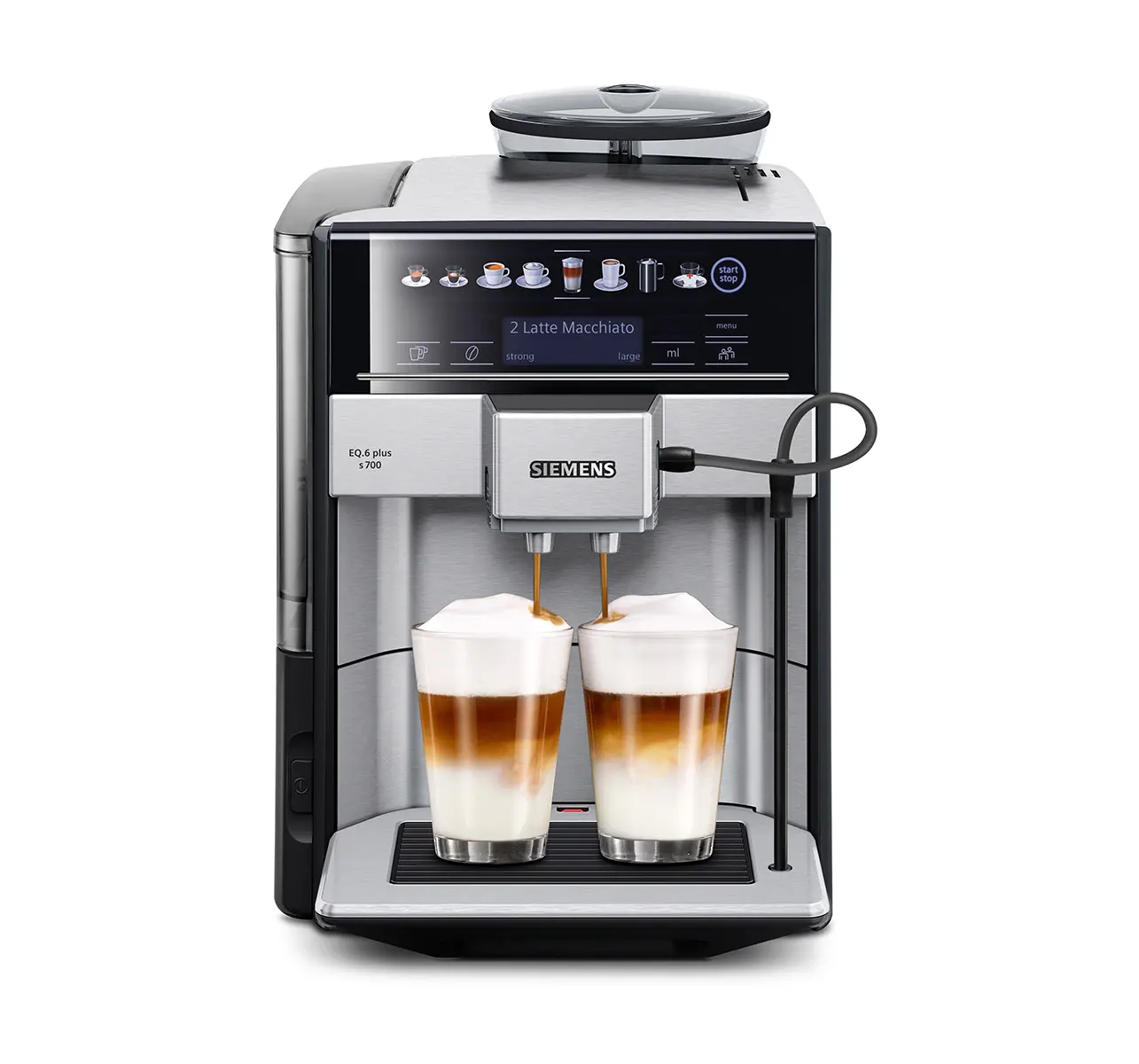
Best forBuyers wanting automatic milk and one-touch bean-to-cup coffee without paying EQ700 prices.
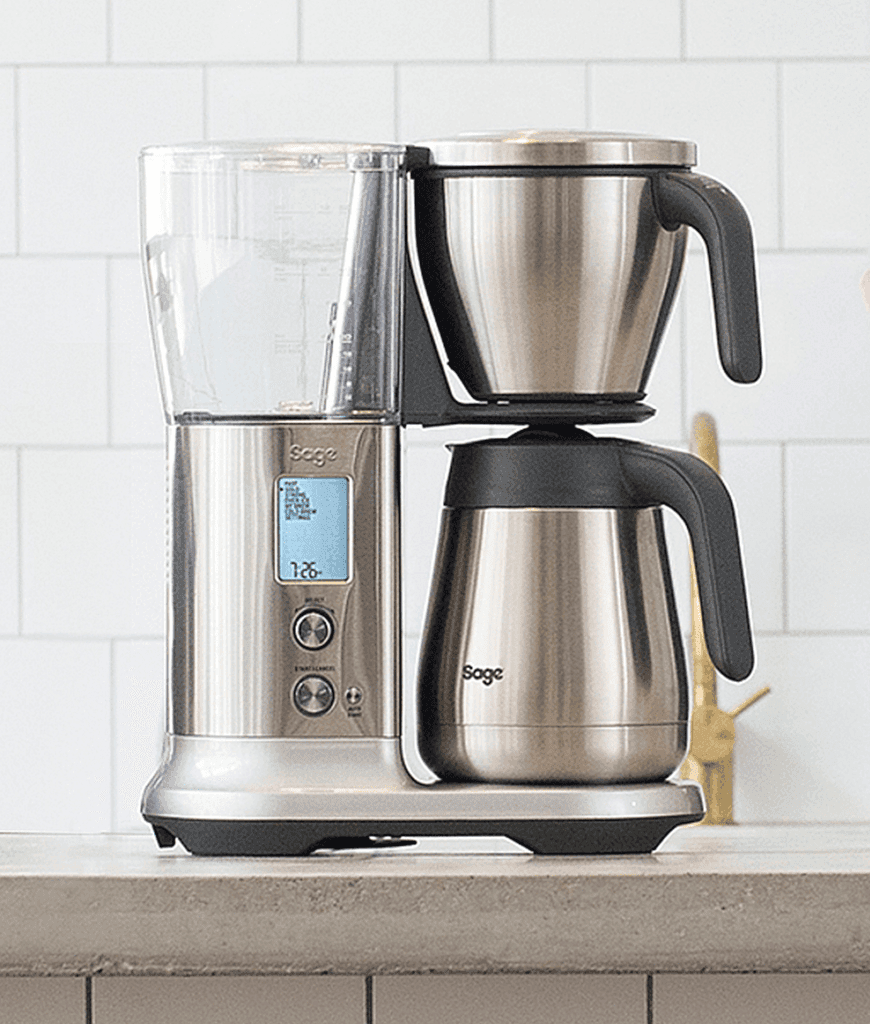
Best forFilter-coffee enthusiasts wanting maximum brewing flexibility.
Best forBuyers wanting near-commercial-style espresso architecture with extraordinary levels of assistance.
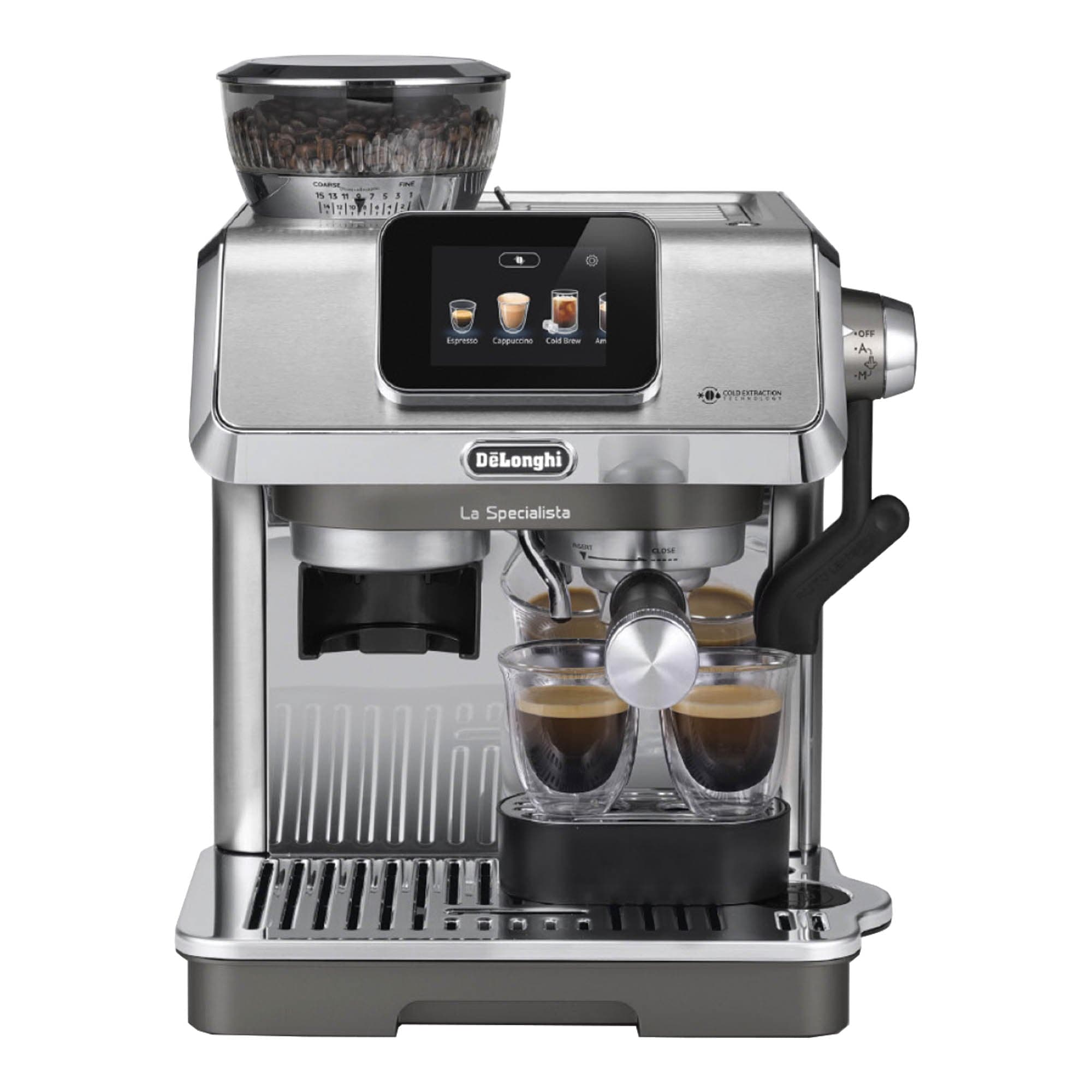
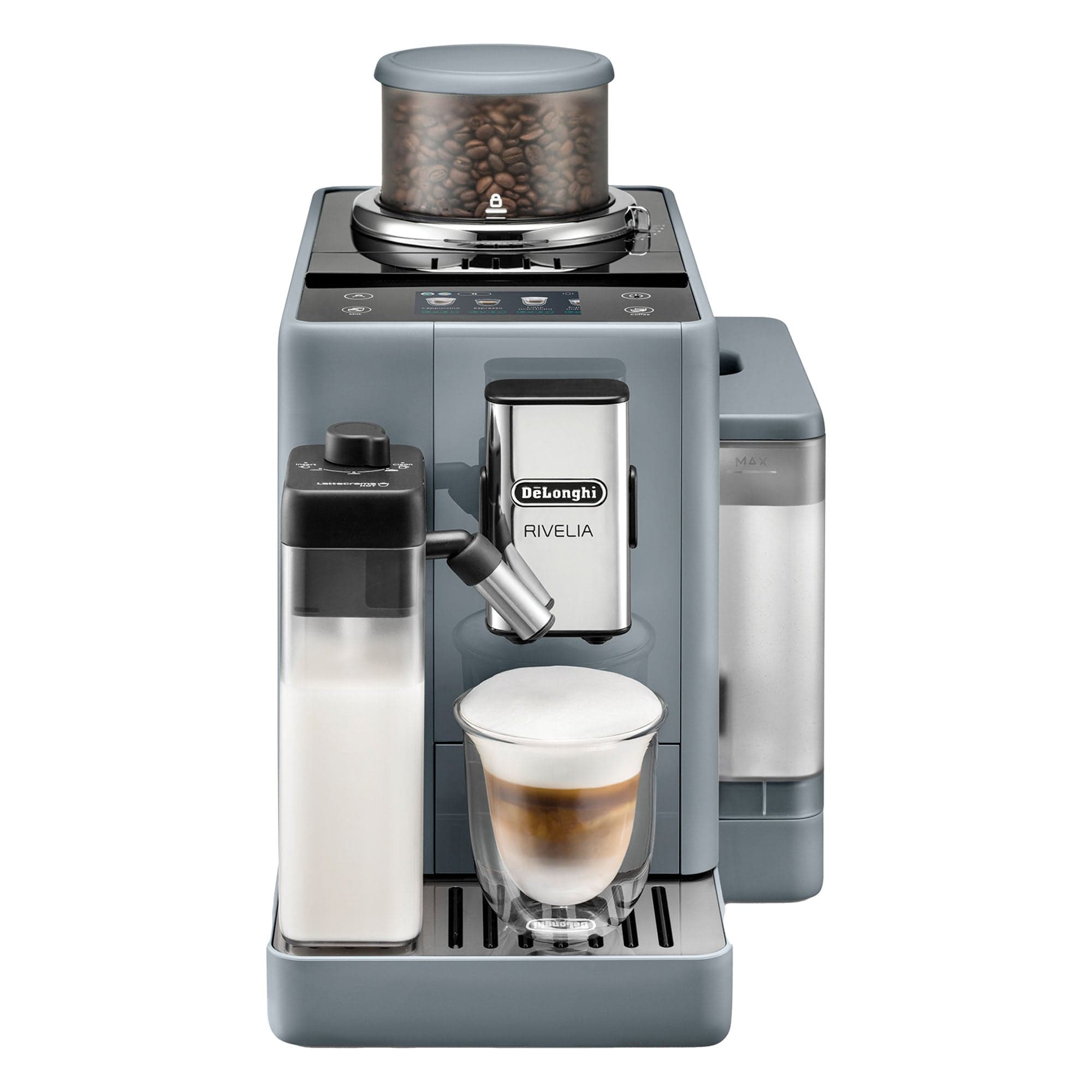
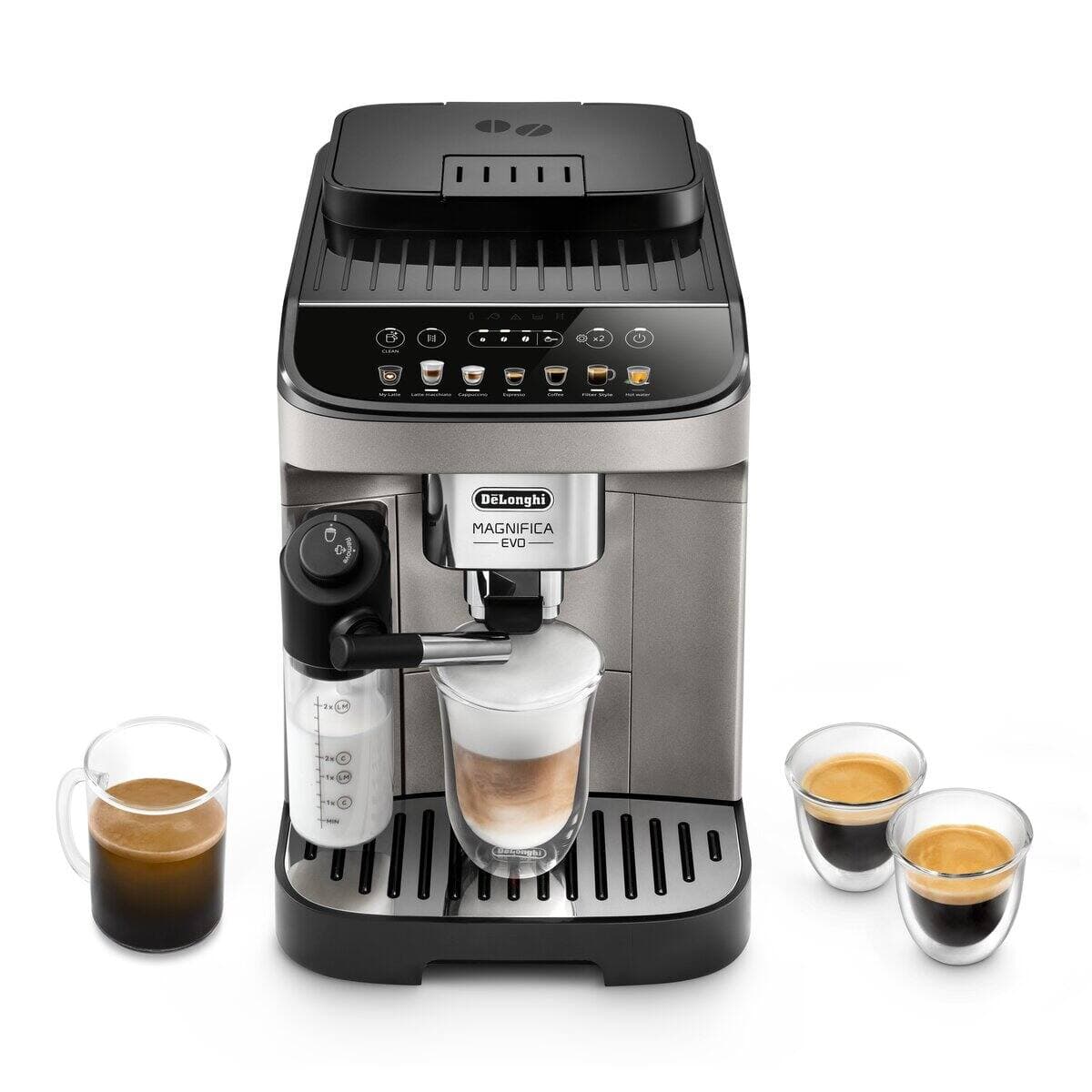
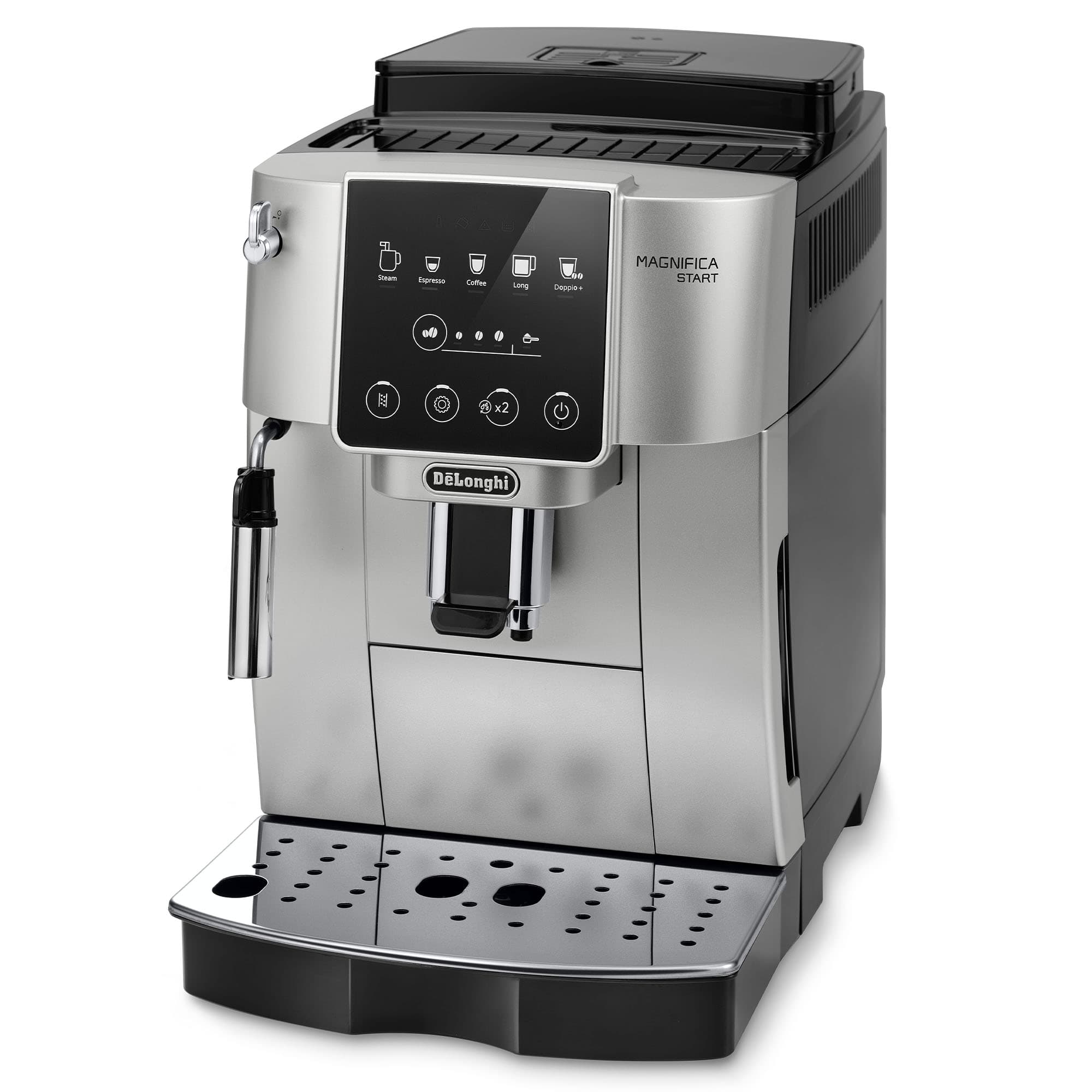
De'Longhi has one of the broadest coffee-machine ranges in the UK, covering affordable espresso machines, premium manual systems and some of the most popular bean-to-cup machines.
Popular ranges include Magnifica, Rivelia, Dinamica, Eletta and La Specialista.
Sage is particularly strong in the home espresso market.
Its range spans compact machines such as the Bambino through to Barista models with integrated grinders and premium machines that automate increasingly large parts of the espresso-making process.
Nespresso remains one of the biggest names in capsule coffee.
Its Original and Vertuo systems work differently and use different capsules, making it important to understand the differences before choosing a machine.
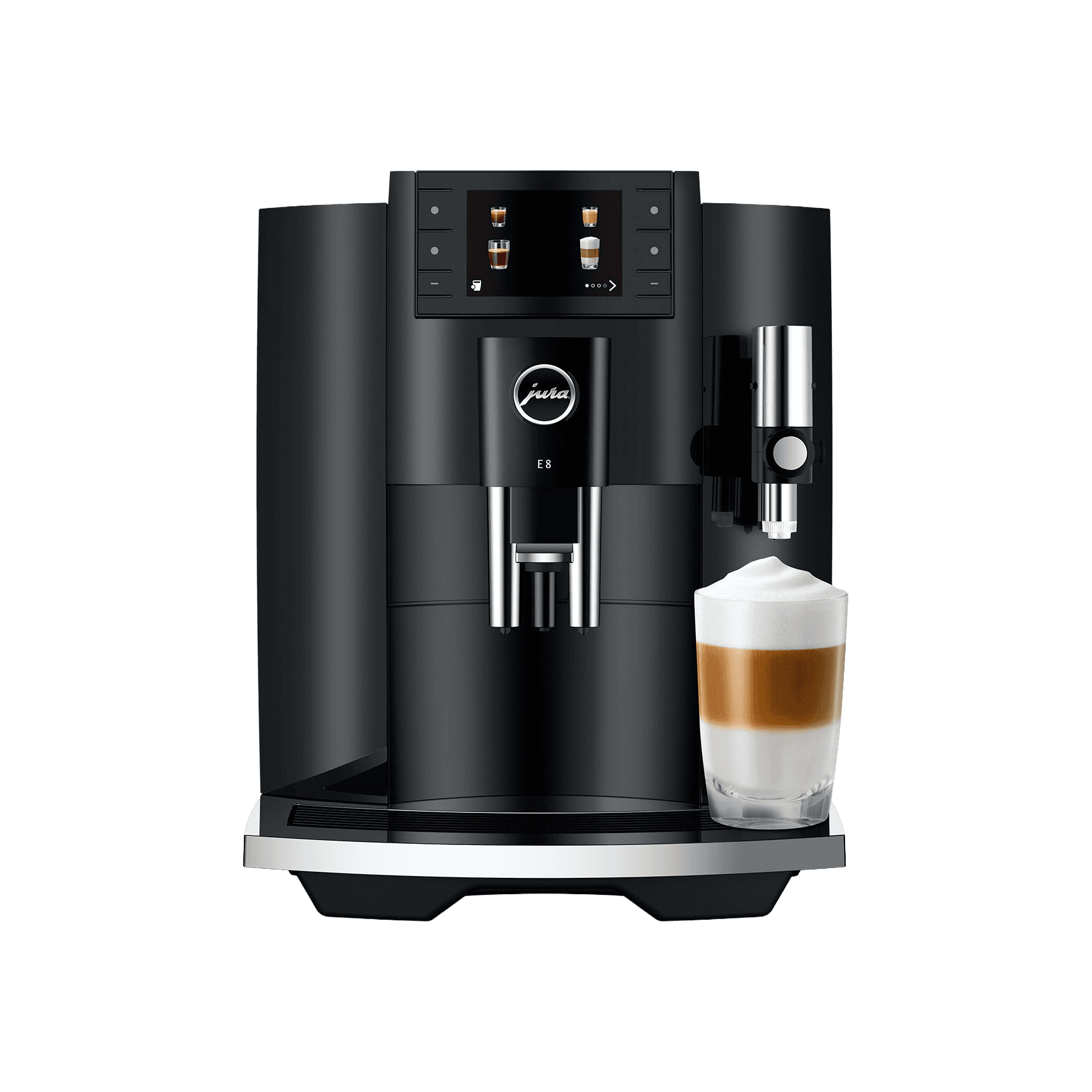
Jura specialises in premium automatic coffee machines.
They're generally considerably more expensive than entry-level bean-to-cup machines but target buyers looking for automation, premium construction and extensive drink menus.
Got your choice down to two machines?
Our head-to-head comparisons examine the differences that actually matter.
Popular comparisons:
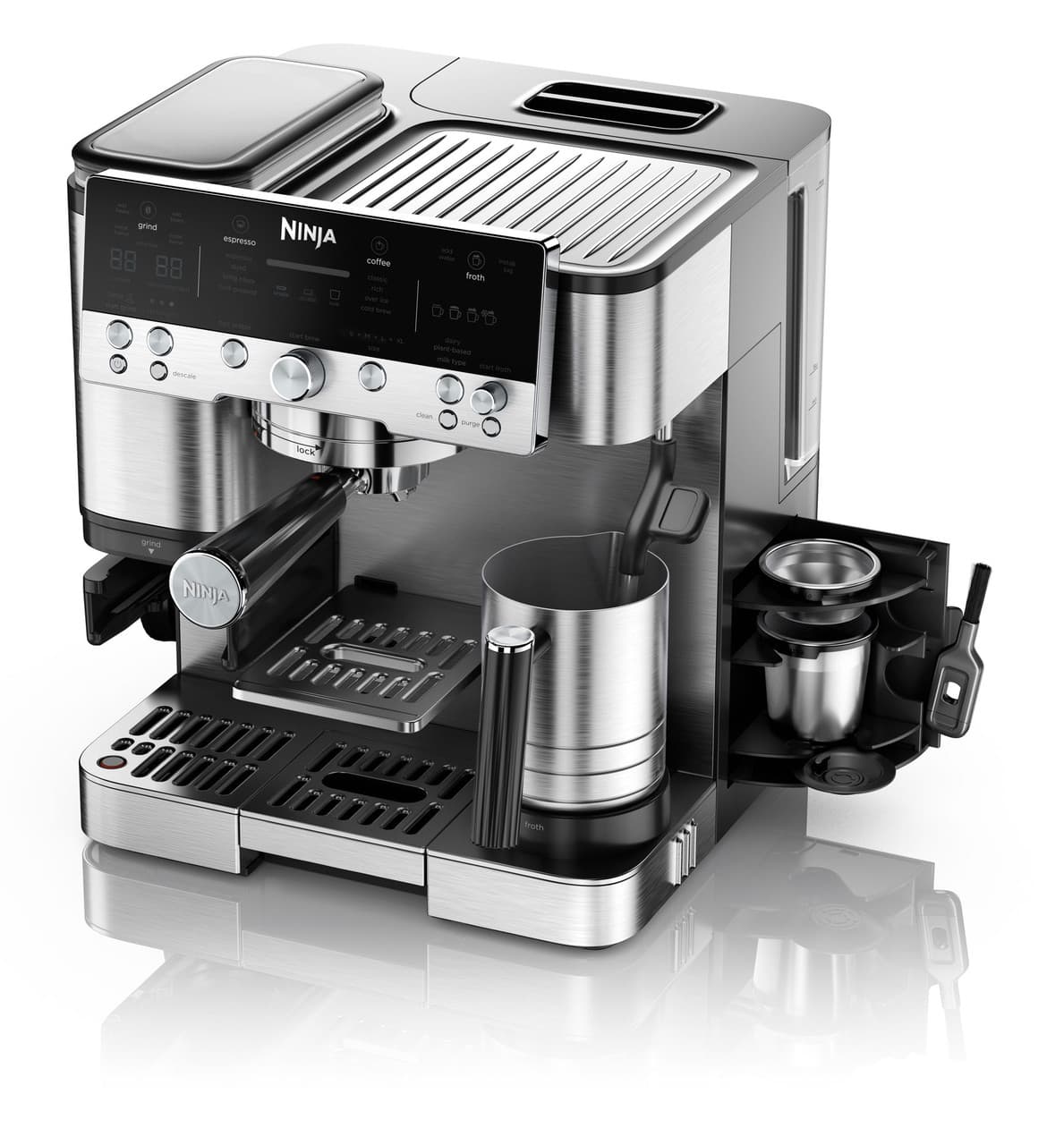
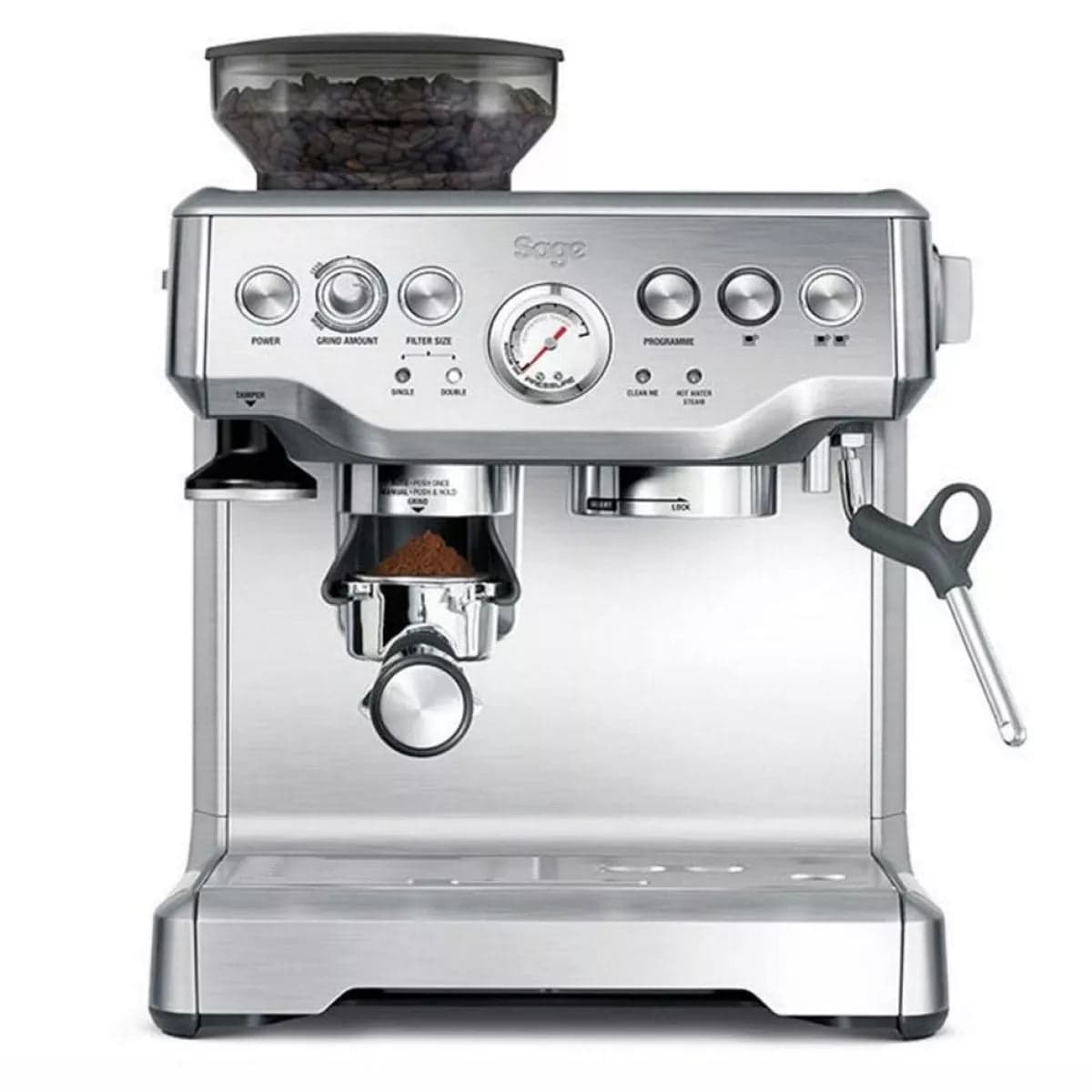
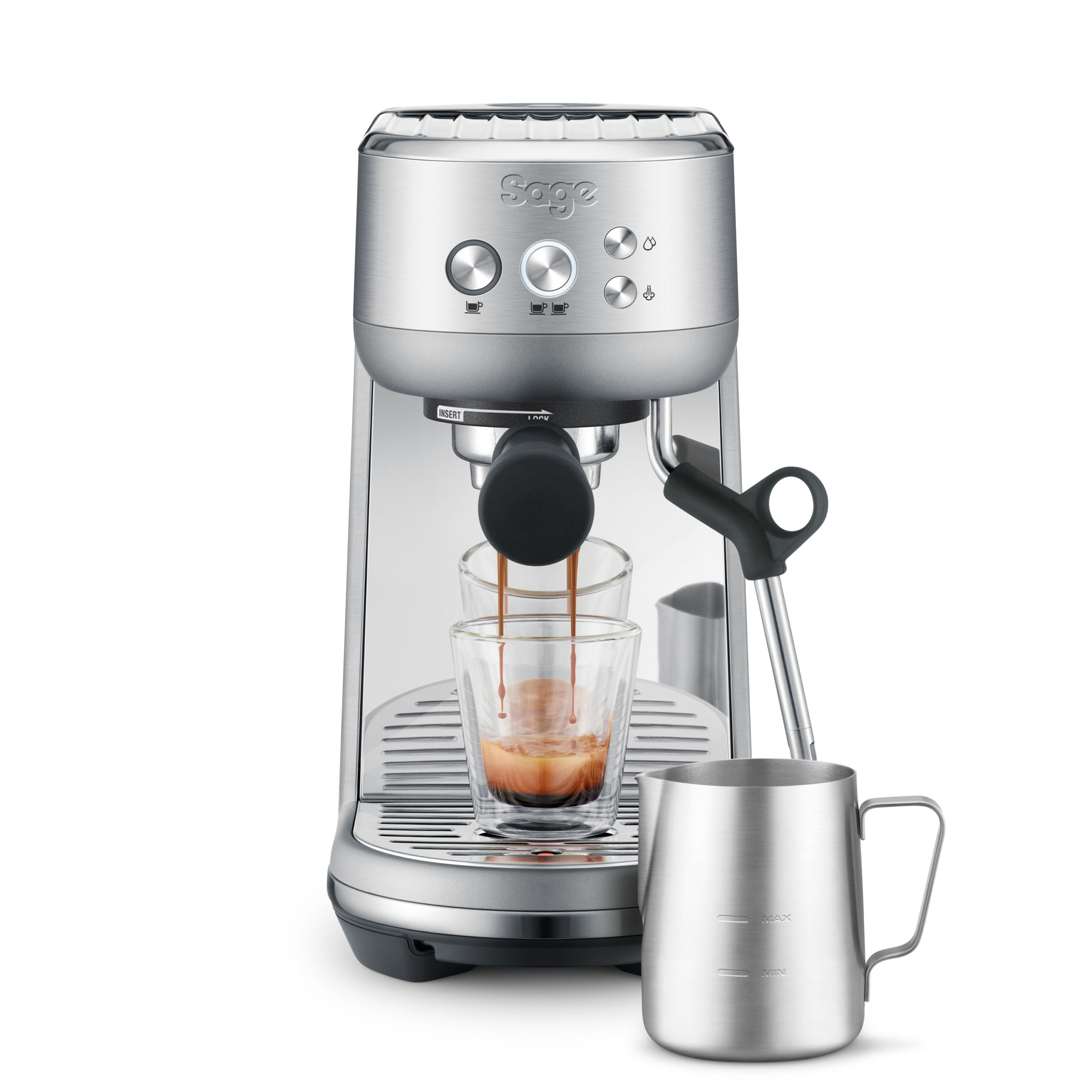
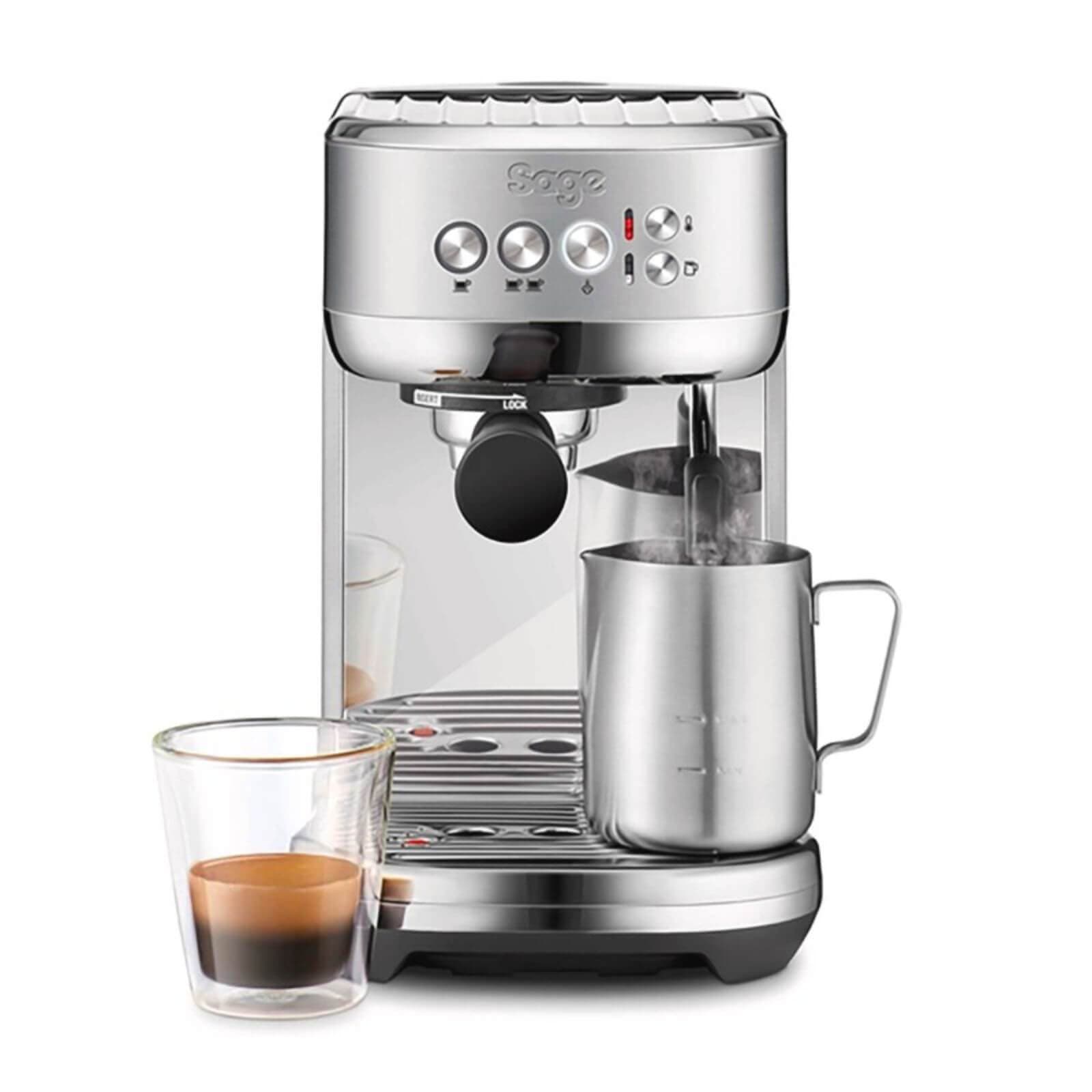
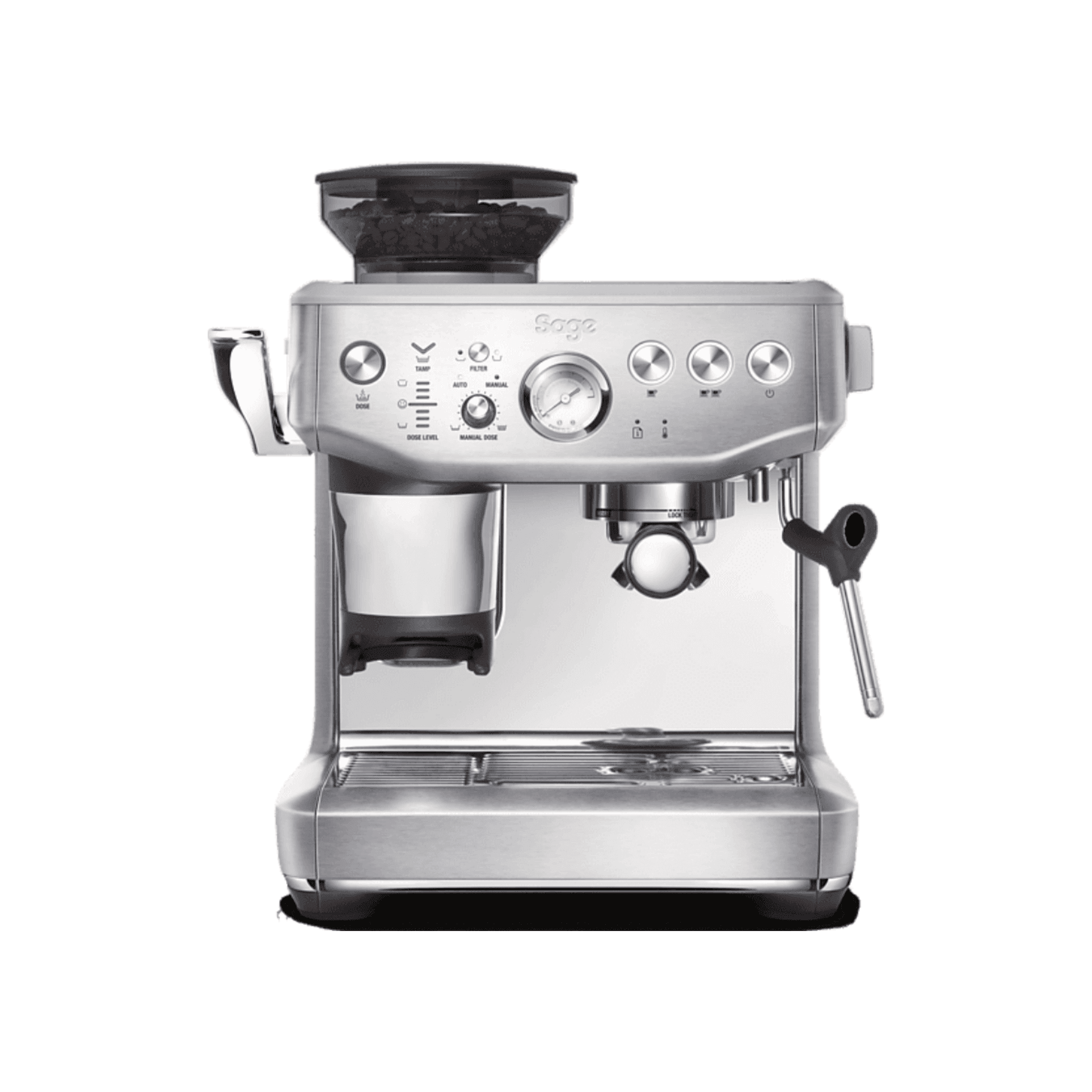
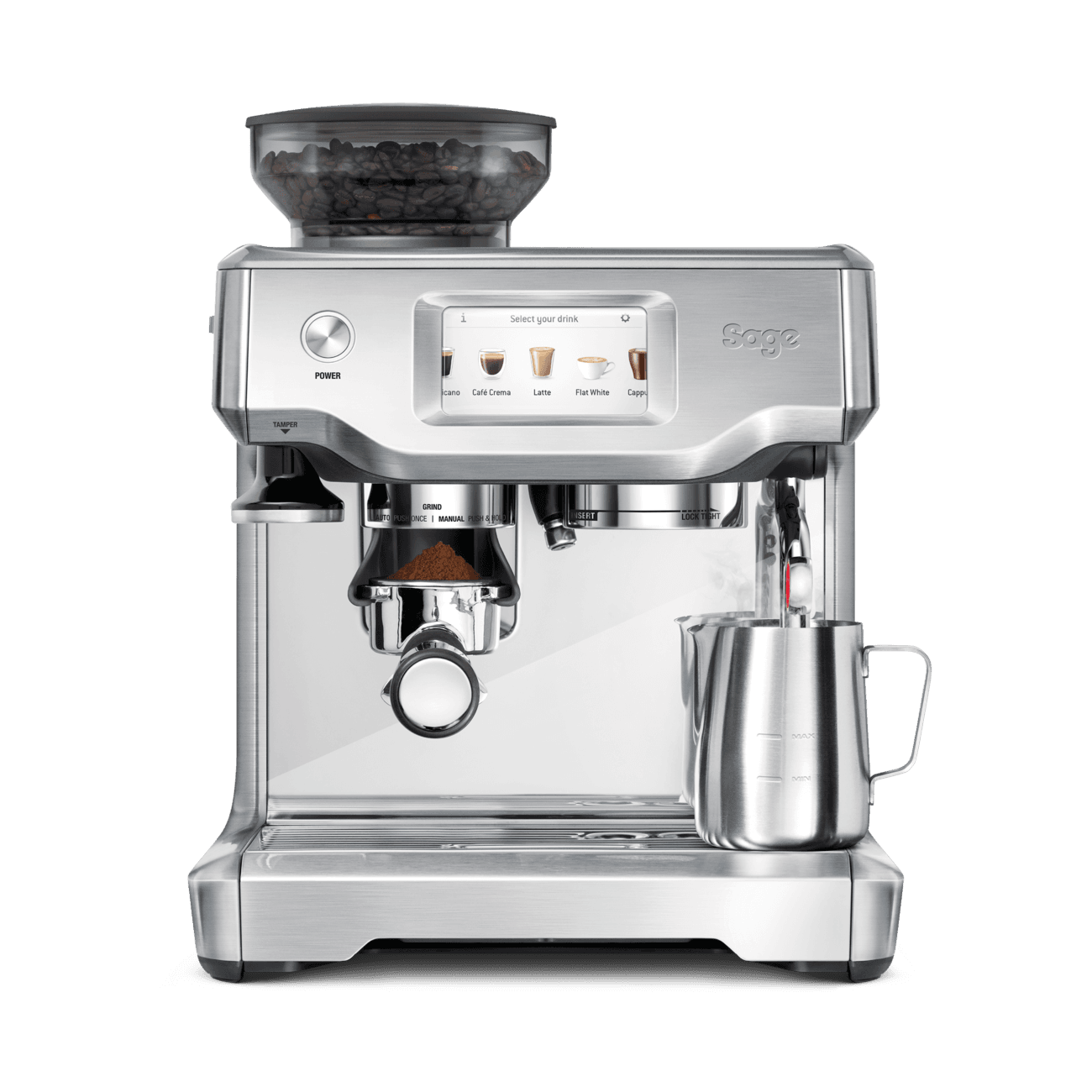
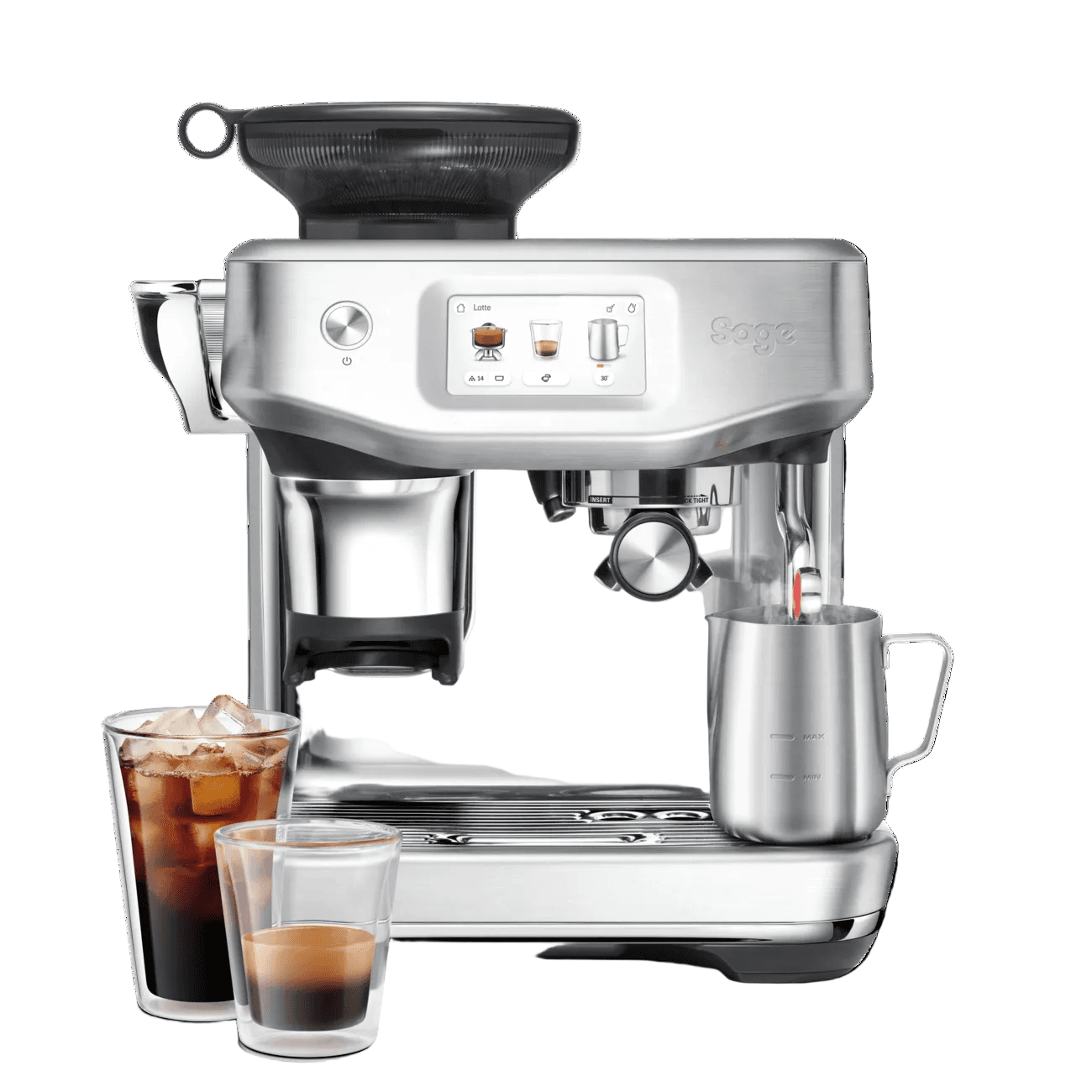
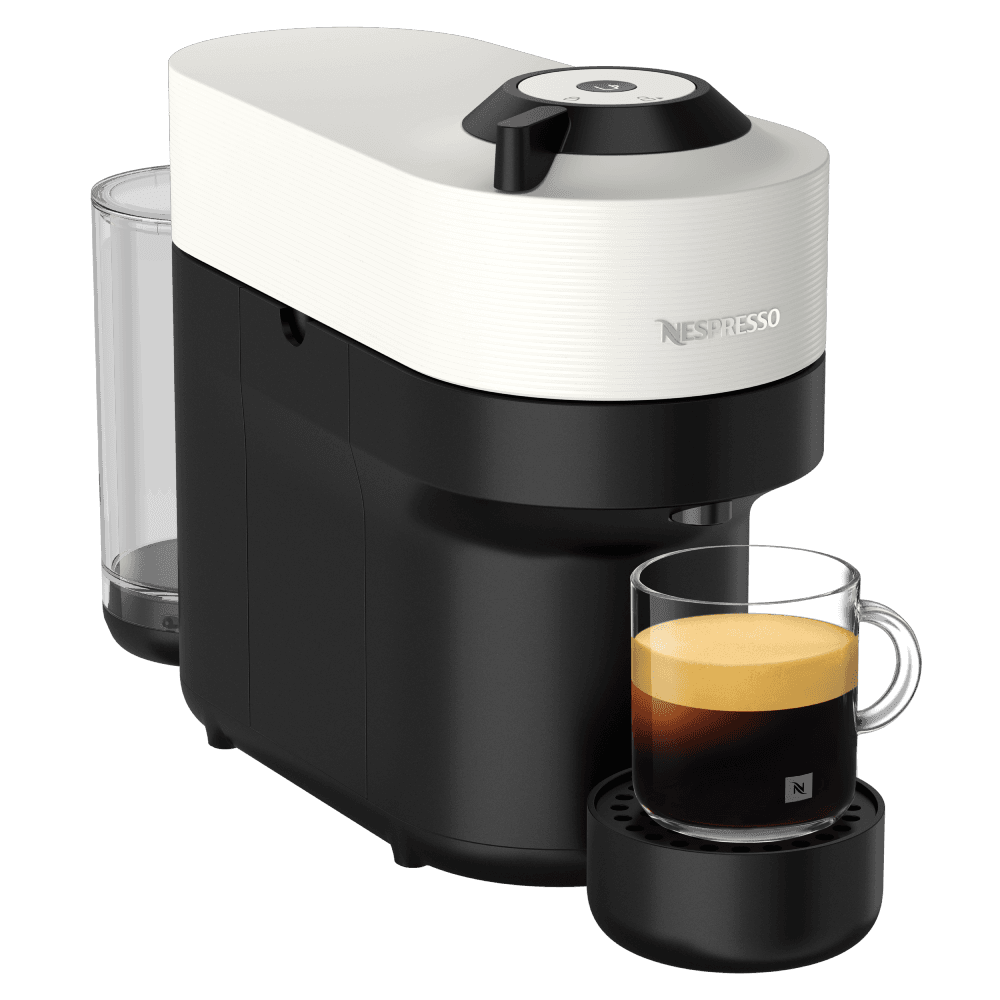
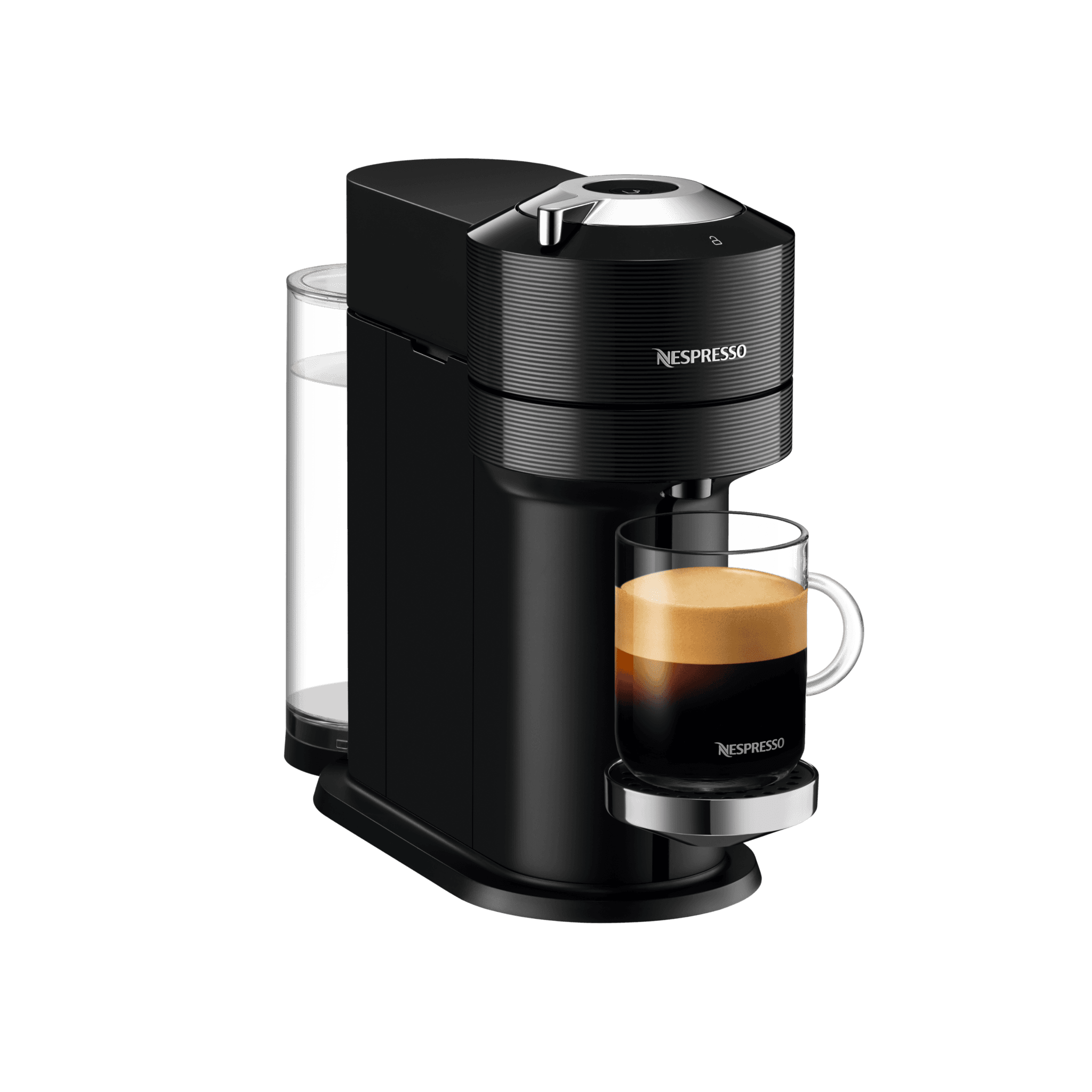
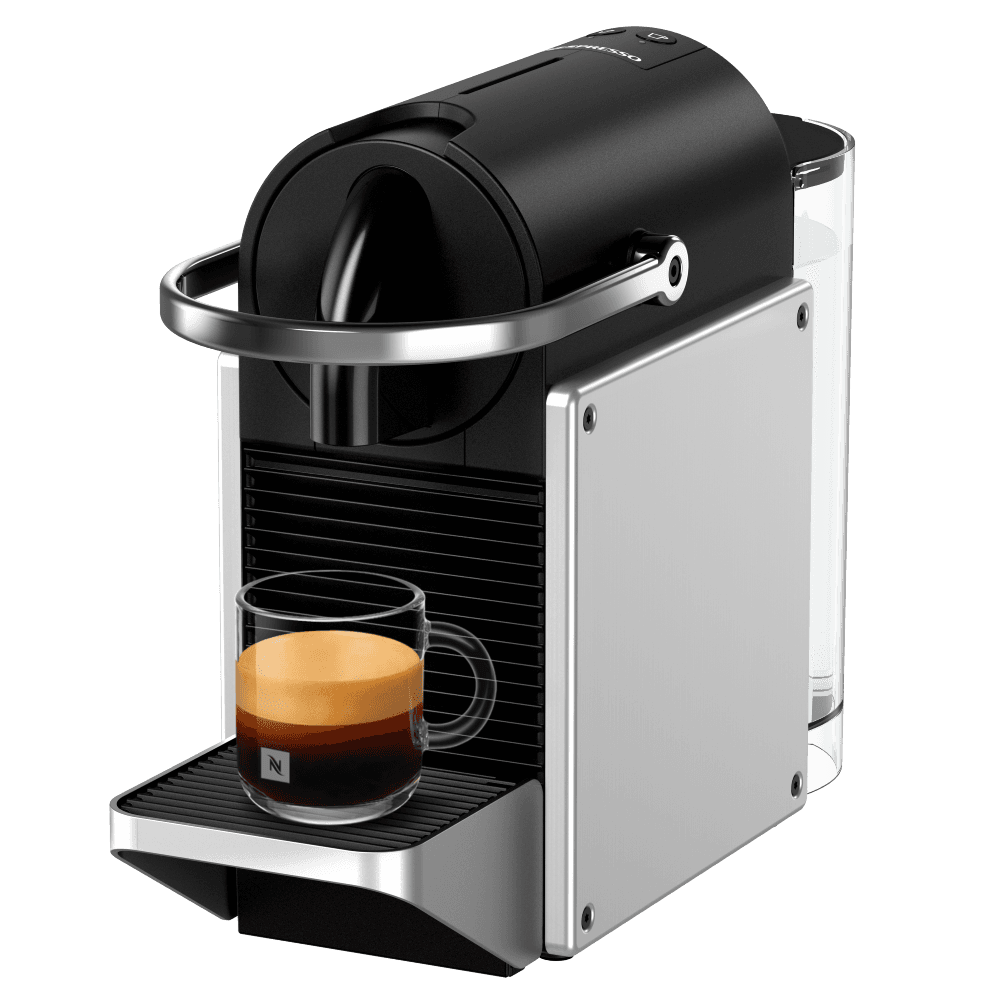
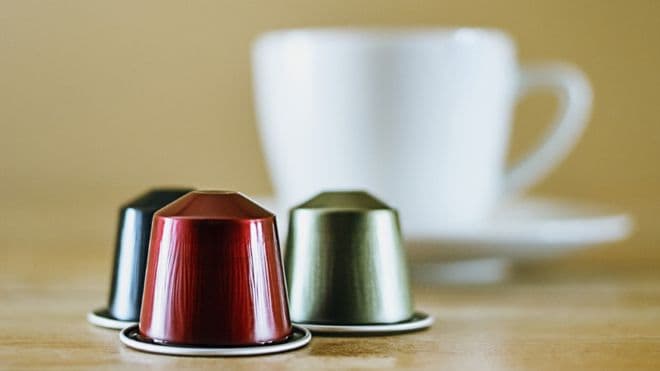
Example machines shown: Nespresso Pixie and Nespresso Vertuo Pop.
A good coffee machine can last for years, so it's worth understanding what you're buying.
Our guides explain things such as:
Our aim is straightforward:
Help you choose the right coffee machine without the marketing nonsense.
We compare machines using factors including:
The machine's brewing system, temperature control, extraction capabilities and consistency.
How straightforward the machine is to set up, operate and adjust.
The capabilities of automatic milk systems or manual steam wands where applicable.
Daily cleaning, milk-system maintenance, descaling and other ongoing requirements.
Which features genuinely improve the experience and which simply increase the price.
How the machine compares with similarly priced alternatives.
We also examine recurring themes in verified owner feedback to identify longer-term strengths and potential problems.
Where we've personally tested a machine, we'll make that clear in the review.
Where we haven't, we'll tell you that too.
Still don't know what to buy?
Use our Coffee Machine Finder.
Tell us:
and we'll narrow down the machines that best fit what you're looking for.
Already own a machine?
We also cover maintenance, troubleshooting and getting better coffee from the machine you've already bought.
A coffee machine doesn’t need to occupy half the kitchen.
Read guidePod coffee machines aren’t going to satisfy someone who wants to spend Sunday morning weighing 18 grams of freshly ground coffee and perfecting their espresso extraction.
Read guideFilter coffee machines aren’t fashionable in quite the same way as £1,000 espresso machines.
Read guideA bean-to-cup machine makes coffee for you.
Read guidePopular guides include:
The “best” coffee machine isn't necessarily the most expensive one.
A £1,500 automatic machine makes little sense if you simply want a quick morning espresso, while a £100 pod machine probably isn't right for someone who wants to experiment with freshly ground speciality coffee.
Our job is to make those differences clear.
We compare coffee quality, features, ease of use, maintenance, running costs and value so you can spend your money on the machine that actually fits your needs.
Start with our Best Coffee Machines UK guide, browse the latest Coffee Machine Reviews, or use our Coffee Machine Finder to narrow down your options.
It depends on your budget, preferred drinks and how involved you want to be. Bean-to-cup machines offer convenience with fresh beans, while espresso machines provide greater control. Pod machines prioritise simplicity.
Capable home machines are available from under £100, while premium automatic and espresso machines can exceed £1,000. Spending more generally buys additional automation, control, build quality or features rather than guaranteeing better coffee for every user.
They can be an excellent choice if you want freshly ground coffee without manually grinding, dosing and extracting espresso. They generally cost more upfront than pod machines.
They serve different buyers. Nespresso prioritises speed and consistency, while bean-to-cup machines use fresh coffee beans and typically offer more control over the resulting drink.
Pod machines are generally the simplest. Fully automatic bean-to-cup machines can also be extremely easy to operate, particularly models with one-touch milk drinks.
Look for a machine with either a capable steam wand or a good automatic milk system. Our latte and cappuccino guides compare machines specifically for milk-based drinks.
A few things worth knowing before you buy, whichever type of coffee machine you're after.
Steel burrs grind faster and hold their edge well under heavy daily use, though they generate a little more heat during long grinding sessions. Ceramic burrs run cooler and resist wear from moisture, but are more brittle and can chip if a small stone gets into the hopper.
Much of the South and East of England has hard tap water, and limescale buildup in the boiler is one of the most common causes of a coffee machine breaking down early. Use filtered water where you can, and run the descaling cycle every two to three months.
Capsules typically cost around 30 to 45p per drink depending on the brand, while ground coffee in a bean-to-cup or filter machine works out closer to 15 to 20p a cup. If you drink several coffees a day, that gap can repay a bean-to-cup machine's higher price within a year or so.